The Allure of Supercars: Engineering, Innovation, and Passion
This article explores the captivating world of supercars, highlighting their engineering marvels, innovative technologies, and the passion they inspire among enthusiasts.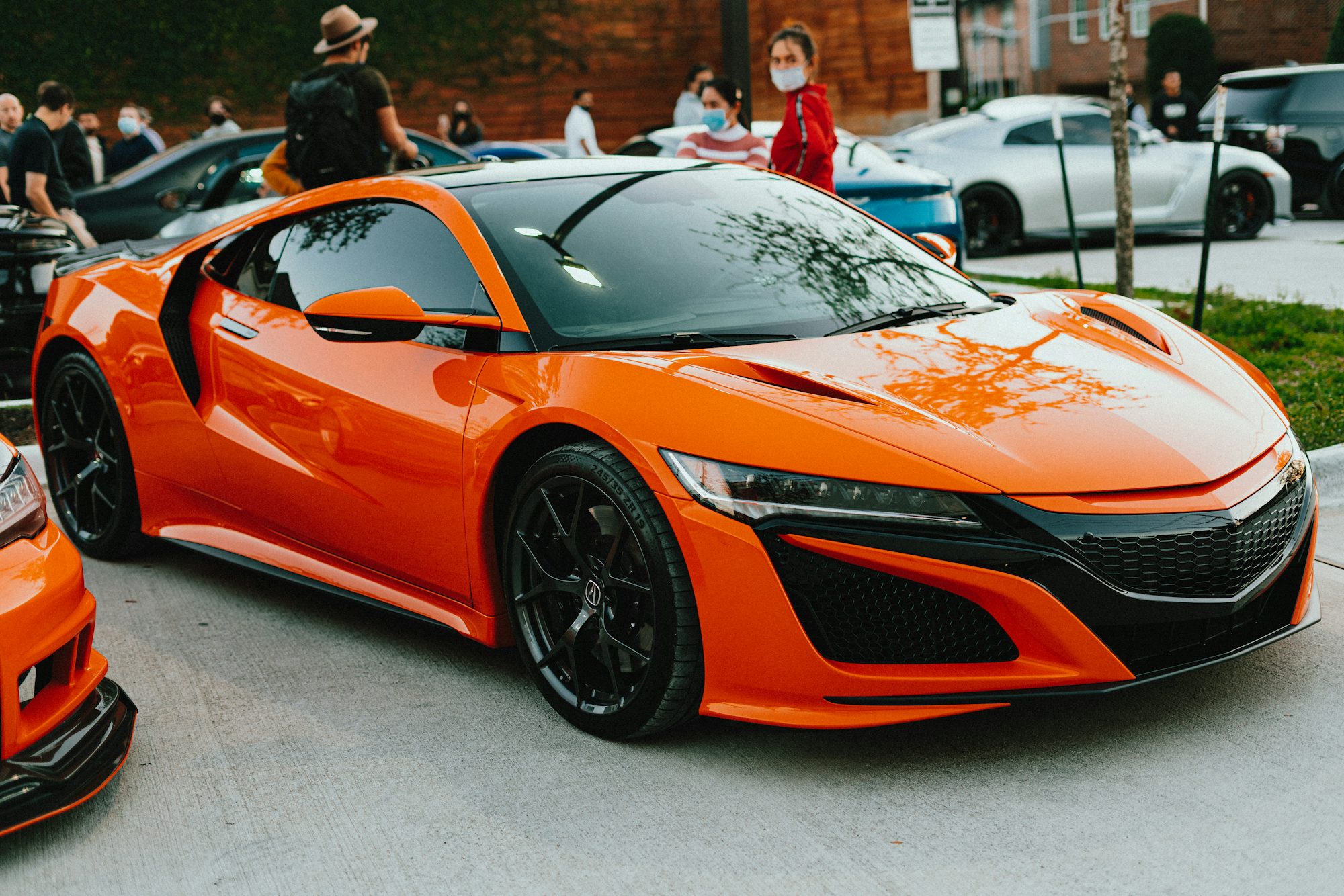
At the core of every supercar is an engineering marvel designed to deliver unparalleled performance. The powertrains of these vehicles are often at the forefront of automotive technology. For example, the Bugatti Chiron boasts an 8.0-liter quad-turbocharged W16 engine, producing an astonishing 1,479 horsepower. This immense power allows the Chiron to reach speeds exceeding 300 mph, making it one of the fastest production cars in the world. Such engineering feats not only exemplify the capabilities of internal combustion engines but also inspire other manufacturers to push the boundaries of performance.
However, the supercar landscape is not solely defined by traditional gasoline engines. The rise of hybrid and electric technology has led to groundbreaking developments in performance and efficiency. The Porsche 918 Spyder and the Ferrari SF90 Stradale represent the future of high-performance vehicles, combining powerful combustion engines with electric motors. These hybrids offer drivers the best of both worlds: exhilarating speed and reduced environmental impact. As battery technology advances, we can expect more supercars to embrace electrification, setting new standards in performance while appealing to a broader audience.
Design plays an equally crucial role in the allure of supercars. Manufacturers invest heavily in creating visually stunning vehicles that capture the imagination. The McLaren P1, with its sleek lines and aggressive stance, is a prime example of how design and aerodynamics work in harmony. The P1’s active aerodynamics adjust in real-time to optimize downforce and stability at high speeds, showcasing how form and function can coexist beautifully. Each supercar tells a story through its design, reflecting the brand’s identity and the vision of its engineers and designers.
Moreover, the materials used in supercar construction have evolved significantly over the years. Carbon fiber, aluminum, and other lightweight materials are now commonplace, allowing manufacturers to create vehicles that are not only strong but also lightweight. The Lamborghini Aventador, for instance, features a carbon fiber monocoque chassis that enhances rigidity while minimizing weight. This focus on weight reduction directly impacts performance, allowing supercars to accelerate faster and handle better than ever before.
The world of supercars is also deeply intertwined with motorsport, where many of these vehicles have their roots. Brands like Ferrari and Porsche have a rich racing heritage, which influences their production models. Technologies developed for the racetrack often find their way into road cars, enhancing their performance and reliability. For instance, the Audi R8 was inspired by Audi’s successful Le Mans race cars, bringing race-bred technology to everyday driving. This connection to motorsport not only enhances the credibility of supercars but also fuels the passion of enthusiasts who appreciate the lineage behind these extraordinary machines.
As we explore the cultural significance of supercars, it’s essential to recognize their role in popular culture and the automotive community. Supercars are often featured in films, music videos, and advertising campaigns, reinforcing their status as symbols of wealth and success. The Fast and Furious franchise, for example, has introduced countless viewers to the world of supercars, further solidifying their place in modern culture. Events like the Goodwood Festival of Speed and Monterey Car Week showcase these vehicles in all their glory, allowing enthusiasts and collectors to share their passion and admiration.
The ownership experience of a supercar is unlike any other, often involving a community of like-minded individuals who share a love for high-performance vehicles. Owners frequently participate in car clubs, track days, and charity events, fostering connections and camaraderie among enthusiasts. This sense of community enhances the overall experience of owning a supercar, as individuals come together to celebrate their shared passion.
Looking ahead, the future of supercars is poised for further evolution, driven by advancements in technology and shifting consumer preferences. As automakers invest in research and development, we can expect to see even more innovative designs and performance enhancements. The push toward sustainability will continue to shape the supercar segment, with manufacturers exploring alternative powertrains and eco-friendly materials.
In conclusion, the allure of supercars lies in their exceptional engineering, innovative technologies, and the passion they evoke among enthusiasts. These vehicles represent the pinnacle of automotive achievement, continuously pushing the boundaries of performance and design. As we move into a new era of automotive innovation, supercars will remain at the forefront, inspiring future generations and captivating the hearts of car lovers worldwide. Whether it’s the roar of a V12 engine or the silent thrust of an electric motor, the thrill of supercars is a timeless experience that transcends mere transportation.